
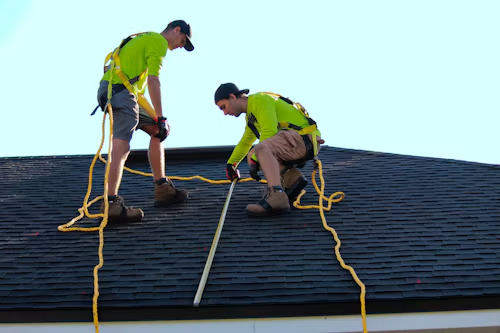
A well-maintained roof is essential for protecting your property from rain, wind, extreme temperatures, and other environmental conditions. However, roofs can develop problems over time due to aging materials, severe weather, poor installation, or general wear and tear.
Whether you are dealing with a leaking roof, damaged shingles, loose tiles, or structural concerns, hiring professional roofers can help restore your property’s safety and functionality. Understanding the repair process and knowing what to look for in a roofing contractor can make the experience easier and more cost-effective.
1. Identify Roofing Problems Before They Get Worse
The first step toward getting your roof fixed is recognizing potential problems. Some roofing issues are easy to notice, while others develop gradually and remain hidden until significant damage occurs.
Common warning signs include water stains on ceilings, damp walls, missing shingles, cracked roof tiles, damaged flashing, and water entering through the roof. You may also notice loose roofing materials or debris accumulating around your property after a storm.
Ignoring these warning signs can lead to more expensive repairs, mold growth, insulation damage, and structural deterioration. Arrange a professional roof inspection when you notice unusual changes. Avoid climbing onto the roof yourself, particularly when it is wet or damaged.
2. Hire Experienced and Reliable Roofers
Choosing the right roofing contractor is one of the most important decisions when arranging roof repairs. Experienced roofers have the knowledge, equipment, and skills needed to identify problems and recommend suitable solutions.
Look for roofing professionals with relevant experience, appropriate insurance, positive customer reviews, and a clear understanding of local building requirements. Ask whether they specialize in the type of roofing material used on your property, such as asphalt shingles, slate, metal, or clay tiles.
Before hiring anyone, request references, check credentials, and obtain written estimates. A reliable roofer should explain the proposed work, expected completion time, materials, and potential additional costs.
3. Understand the Different Types of Roof Repairs
Not every roofing problem requires a complete roof replacement. Professional roofers can assess the condition of your roof and determine whether targeted repairs are sufficient.
Common roofing services include:
- Roof leak repairs: Identifying and sealing areas where water enters the property.
- Shingle and tile replacement: Replacing missing, cracked, or damaged roofing materials.
- Flashing repairs: Fixing damaged seals around chimneys, skylights, vents, and roof edges.
- Gutter repairs: Addressing drainage problems that can contribute to water damage.
- Storm damage repairs: Restoring roofing sections affected by strong winds, heavy rain, or falling debris.
Understanding the available repair options helps homeowners make informed decisions and avoid unnecessary expenses.
4. Compare Roofing Estimates, Materials, and Warranties
Before approving roofing work, obtain estimates from multiple qualified contractors. Comparing quotations allows you to understand the expected costs and determine whether the proposed services offer good value.
A detailed estimate should explain labor charges, material costs, removal of damaged materials, waste disposal, and any additional services. Ask about the quality and expected lifespan of the recommended roofing materials.
It is also important to understand the warranties covering workmanship and materials. Make sure the terms are provided in writing and clarify what happens if problems occur after the repair is completed.
Avoid choosing a contractor based entirely on the lowest quotation. Quality workmanship and dependable materials can help prevent recurring problems and additional expenses.
5. Schedule Regular Roof Inspections and Preventive Maintenance
Once your roof has been repaired, regular maintenance can help protect your investment. Periodic professional inspections allow roofers to identify loose tiles, deteriorating flashing, blocked gutters, and other developing issues.
Keep gutters and downspouts clear so rainwater can drain properly. Trim overhanging tree branches where appropriate and check for visible signs of damage after severe weather.
Following a suitable maintenance schedule can extend your roof’s lifespan and reduce the likelihood of unexpected repairs. Keep records of completed work, inspection reports, and warranties for future reference.