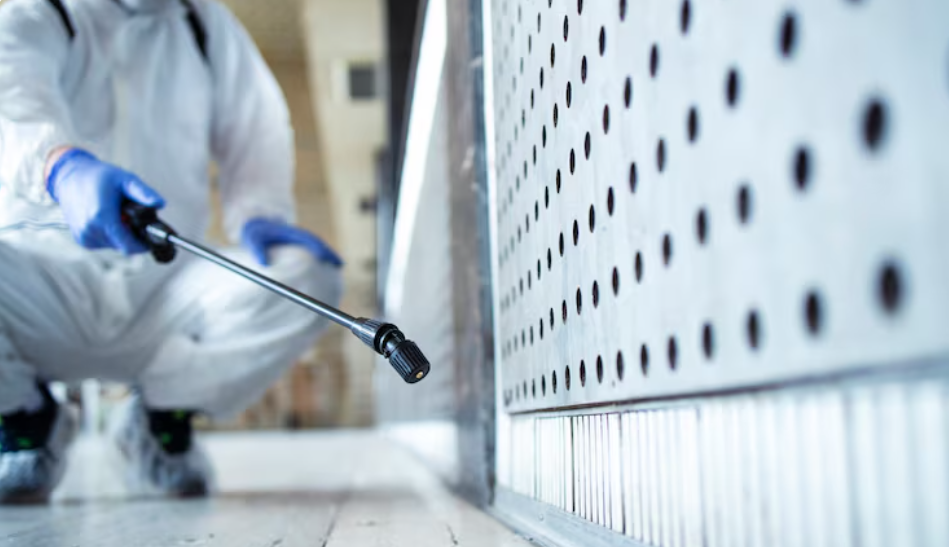
A clean and pest-free workplace is important for every business. Whether you manage an office, restaurant, warehouse, or retail store, pests can create serious problems. Insects and rodents can damage property, contaminate products, and affect the comfort of employees and customers. Maintaining a clean environment requires regular cleaning, proper maintenance, and professional support. A commercial exterminator helps businesses control pests, prevent infestations, and maintain a safe and welcoming workplace.
Understanding the Role of a Commercial Exterminator
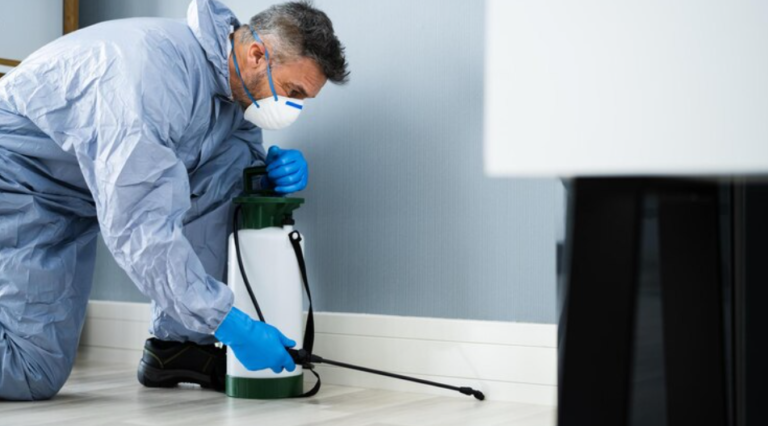
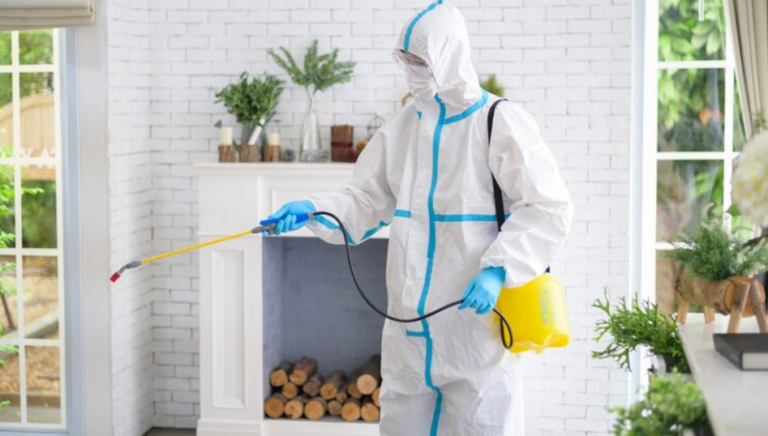
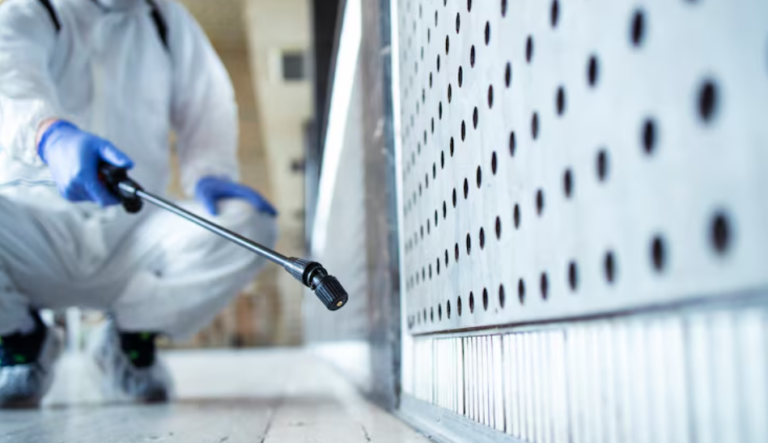
A commercial exterminator is a professional who helps businesses identify, control, and prevent pest problems. Their work involves inspecting commercial properties, identifying different types of pests, and selecting suitable treatment methods. Common pests include ants, cockroaches, rodents, flies, and termites.
A commercial exterminator also looks for conditions that attract pests, such as food waste, moisture, clutter, and small openings in walls. By identifying these problems early, professionals can recommend practical solutions that reduce the risk of future infestations. Their services are designed to meet the specific needs of different businesses while helping minimize disruptions to daily operations.
Identifying Pest Problems Early
Finding pest activity early can help businesses avoid larger problems. Pests often hide in storage rooms, kitchens, basements, and other areas that receive less attention. Signs such as droppings, nests, damaged packaging, and unusual odors may indicate an infestation.
A commercial exterminator carefully inspects these areas to determine the type and extent of the problem. Early detection allows business owners to take action before pests spread throughout the building. Regular inspections can also reveal hidden entry points and conditions that need attention.
Creating an Effective Pest Control Plan
Every commercial property has different pest control requirements. Restaurants must protect food preparation and storage areas, while warehouses need to safeguard inventory and packaging. Offices may require pest control solutions for break rooms, storage spaces, and shared facilities.
A commercial exterminator creates a treatment plan based on the property’s layout, business activities, and pest concerns. The plan may include targeted treatments, scheduled inspections, monitoring, and preventive recommendations. This organized approach helps businesses manage pest problems while supporting a clean and professional environment.
Protecting Employees and Customers
Pests can affect the comfort and well-being of everyone who enters a commercial building. Some pests can contaminate food and surfaces, while others may cause bites or trigger allergic reactions. Their presence can also create an unpleasant experience for customers.
A commercial exterminator uses appropriate pest management methods to help reduce these risks. Professionals can explain the precautions needed during and after treatments, including any requirements for ventilation or restricted access. Choosing suitable methods helps businesses maintain cleaner spaces while protecting employees, visitors, and customers.
Preventing Property Damage and Business Disruptions
Certain pests can damage buildings, equipment, and stored goods. Rodents may chew electrical wires and packaging, while termites can damage wooden structures. These problems may lead to repair costs, inventory losses, and interruptions to business activities.
A commercial exterminator helps reduce these risks by identifying pest entry points and recommending preventive measures. Sealing gaps, repairing leaks, improving waste management, and keeping storage areas organized can make a property less attractive to pests.
Conclusion
Keeping a business pest-free requires consistent care and effective prevention. A commercial exterminator helps identify infestations, develop suitable treatment plans, protect property, and reduce future pest risks. By combining professional pest control services with regular cleaning and maintenance, businesses can create a cleaner, safer, and more welcoming environment for employees and customers.