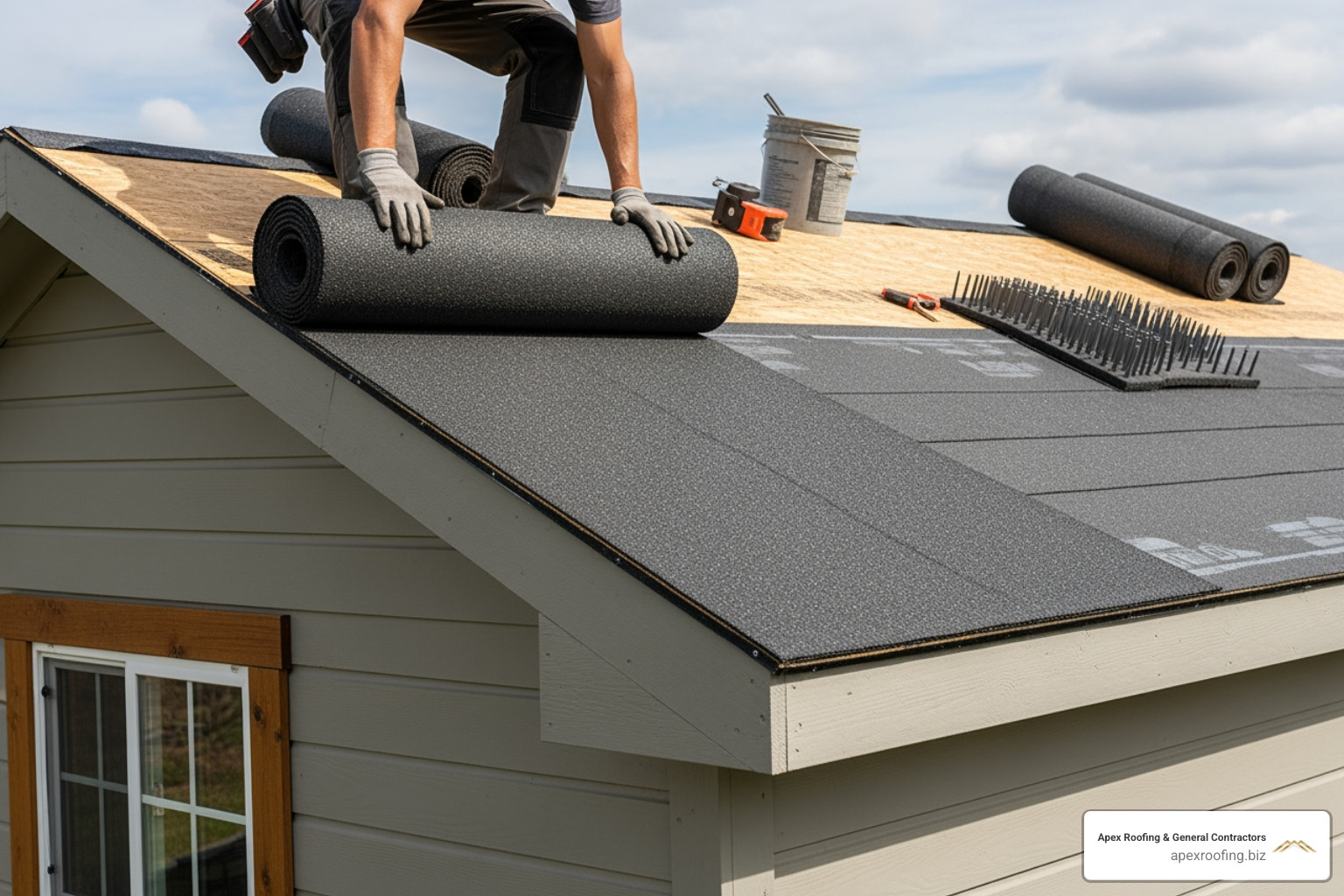
The popular solution for an easy and inexpensive roofing solution. From a new project to fixing your roof, it helps to know what is rolled roofing and how it functions and can save you money and time. You need to know all about rolled roofing so here’s your guide to what you’d like to know – the types, materials, installation and maintenance.
Discover if you Need Repair or Replacement
Understanding Rolled Roofing
So, what is rolled roofing? Rolled roofing is a continuous or rolled roofing material that is intended for quick installation on low-slope roofs. These materials can be pre-made to speed up the roofing process and are also cheaper than asphalt shingles and metal roofing. Sheathing typically comes in 36-foot lengths and a 36-inch width, which makes it a good choice for sheds, garages, and other outbuildings.
Compared to typical kinds of roofing materials, rolled roofing is basic in application, so it is frequently utilized by enthusiasts as well as professional roofing contractors. However, its simplicity does not excuse it from the diversity; there are certain types of rolled roofing material that are suited to particular applications.
Types of Rolled Roofing
It is crucial to understand the different types of roof as well as what rolled roofing material is so that you can choose the best material to use in your project. All of those are the most common, except for the last:
- Asphalt: Most common and least expensive type and is fairly easy to install. This is typically installed on roofs of garages and sheds.
- Bitumen Roofing has mineral-surfaced roofing: This type of other roofing material is coated with minerals to prevent UV rays and tough weather conditions.
- Rubber Rolled Roofing: A choice that is more flexible and environmentally friendly because it is made from recycled rubber materials. Ideal for flat or sloped roofs.
- Ethylene Propylene Diene Monomer (EPDM): A synthetic rubber compound that is best known for its resistance to harsh environmental conditions and durability.
Modified Bitumen Roofing — This is not considered a true rolled roofing product, but is included in this classification by similarity of use. It also needs to be more durable, as well, so if you’re looking to get something that will last a little longer, it’s a great thing to have.
- Explore the weather’s impact on various roofing materials.
- Gain knowledge of why roofing systems are influenced by climate conditions.
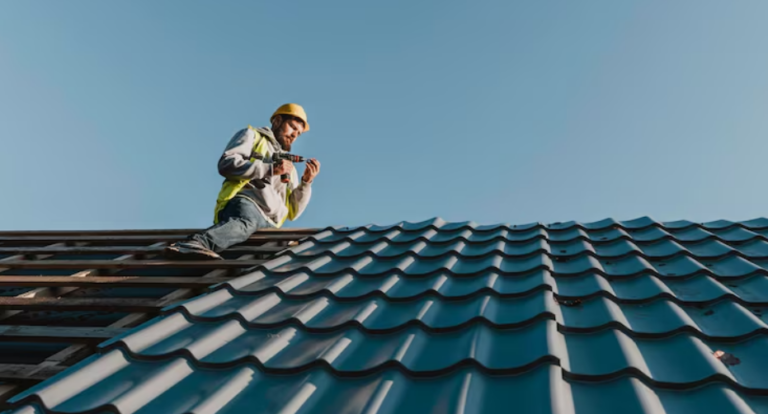
- Roof repairing of an old house in Knoxville.
Rolled Roofing Materials
So, what’s rolled roofing made from? The materials used will depend on the type of rolled roofing you choose, but common materials are:
- Asphalt roll roofing: Many other residential roofing materials have this feature, and it helps provide waterproofing and durability.
- Foundational Layer: It is an extremely sturdy material that also helps to give your roof a longer lifespan.
- Granules or Mineral Surfacing: To enhance durability and UV protection.
- Rubber or Polymer: More modern types may be used such as EPDM that provide flexibility and sustainability.
The installation of Rolled Roofing
Some roofing applications may appear complicated, but with rolled roofing, it’s quite simple. The way to do it:
What are the things to take care of before the installation of rolled roofing? First, make sure roof is clean, dry, and free of any debris. Fix any damage and use a base coat or primer if necessary.
- Measure & Cut: Take measurements of your roof and cut the rolled roofing material to fit. If so, leave a little overlap on the edges (so that the tape hangs over) to aid in the formation of a waterproof roofing.
- Roofing Nails or Adhesive: Some roofing systems use nails to attach the roof, others use an adhesive to attach the roof. Begin at the bottom of the roof and go up.
- Use additional Sealant: Use additional roofing cement to ensure that seams and edges are waterproofing barrier roofing projects.
- Inspect: Check for any openings, blisters or poorly sealed surfaces to ensure the roof protection system is watertight and secure.
Rolled Roofing vs Modified Bitumen Roofing
What is the difference between the rolled roofing and the modified bitumen roofing? Both these two types of roofing are employed on low-slope roofs, and they have some differences in terms of durability and use. Modified bitumen roofing is thicker in some cases, may even be more than one layer, and is more resistant to bad weather. Rolled roofing, on the other hand, is easier and faster to install, but may not be as durable.
Rolled roofing certainly takes the lead for cost-effective roofing if you are doing the project on a budget. It’s the modified bitumen solution for long lasting roofing performance though.
Choosing the Best Rolled Roofing for Your Project
Which one of the following is the best rolled roofing? This will depend upon your needs. Asphalt rolled roofing can be considered an option for those wishing to maintain lower costs. Choose rubber or EPDM materials for your project if it has an eco-friendly focus. Consider the climate, roof slope and building use when making the best decision.
There are other Names for Rolled Roofing
What is the name of rolled roofing? It can be referred to as one of the following:
- Rolled asphalt roofing
- Mineral-surfaced roll roofing
- Rolled composition roofing
Often used interchangeably with the term “Liquidator” but may indicate minor variations in application and/or material.
Getting your Roof Ready for Installation
The most important thing to do is to prepare for the successful installation of the impeller. Make sure your roof is ready before applying rolled roofing material:
- Roughing-in: This includes removing any debris, dirt or old roofing material.
- Dry: Moisture can cause adhesion problems and leaks.
- Smoothing: Plug all holes and cracks and do any other work needed to smooth surfaces.
These processes ensure an optimal use of sustainable roofing solutions and contribute to the prolongation of their life cycle.
Maintenance and Longevity of Rolled Roofing
The following are some roofing maintenance tips for practising maintenance on a rolled roof.
- Regular inspections: Periodically check after bad weather such as heavy rain, snow, and high winds.
- Clear the Surface: Clear away debris and remove any obstructions from gutters to prevent water from pooling.
- Patch Cracks: Use roofing cement to quickly patch cracks or tears.
Signs that it needs repair or replacement:
- Lifespan: Cracks, bubbles, or tears in the area are a sign of wear.
- Leaks: If you see water stains on the interior ceiling or walls, there is a need to repair the roof.
- Age: A roof is typically at the end of its life (say 5-10 years out) if it needs a replacement.
Conclusion
Rolled Roofing is a low-cost, low-maintenance choice for many types of low-slope roofing. But since you now know what it is, what materials it is made of, and how it is installed, you can start thinking about it and select what you need based on your needs. If you take proper care of your roof, you can have a good investment of waterproof roofing for a longer period, thus maintaining the roof in good condition.
You’ll not only save money, but you’ll also increase the sustainability of your home by utilizing eco-friendly & energy-efficient roofing materials like your asphalt roof. Looking to improve your roof’s efficiency and cost-effectiveness? Call Cover Pro Roofing today for expert advice and professional rolled roofing installation in Knoxville, TN.